La Selvatana
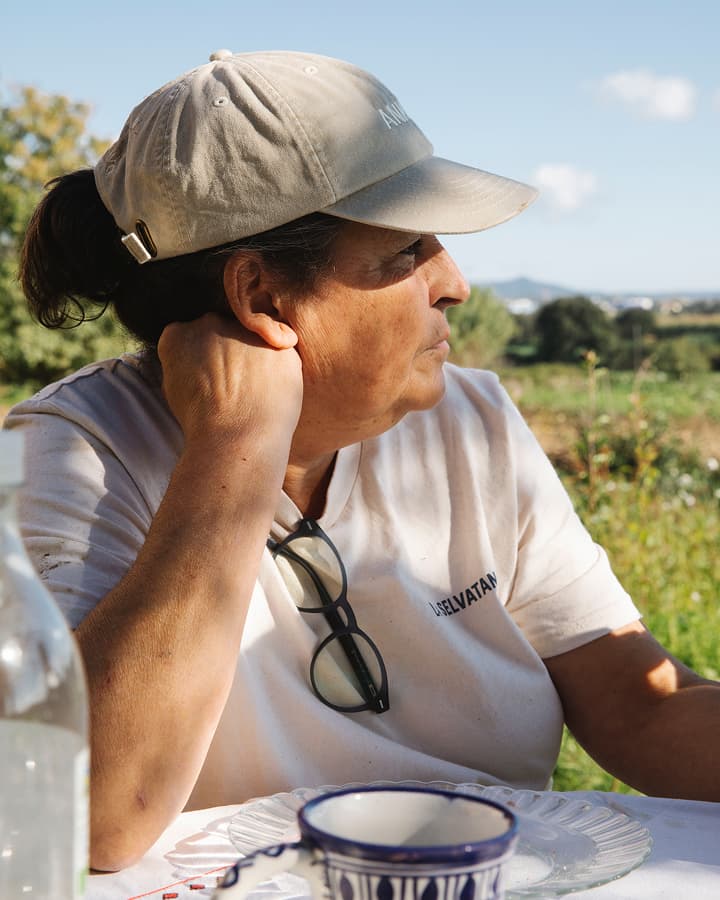
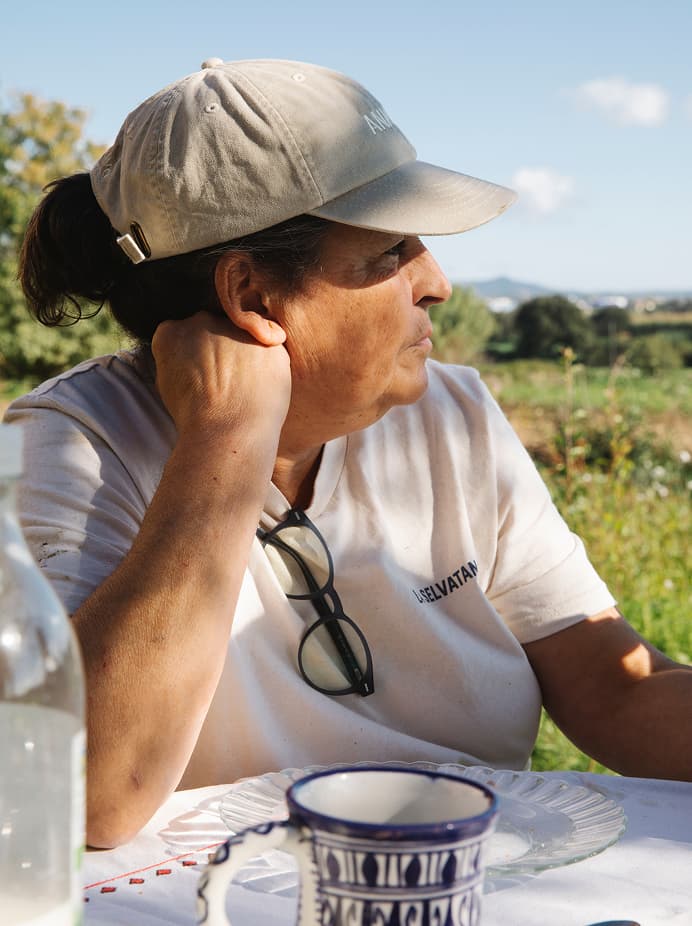
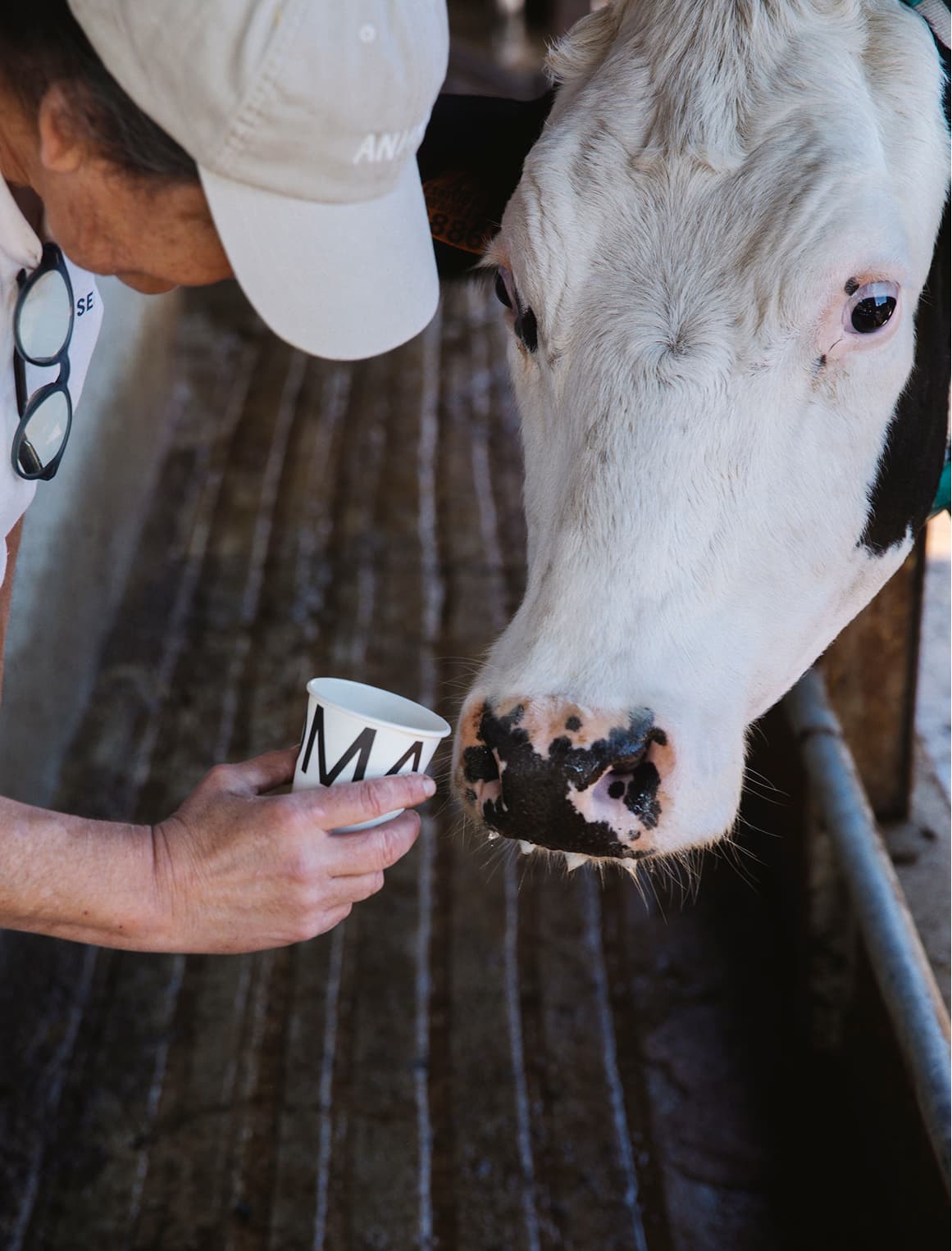
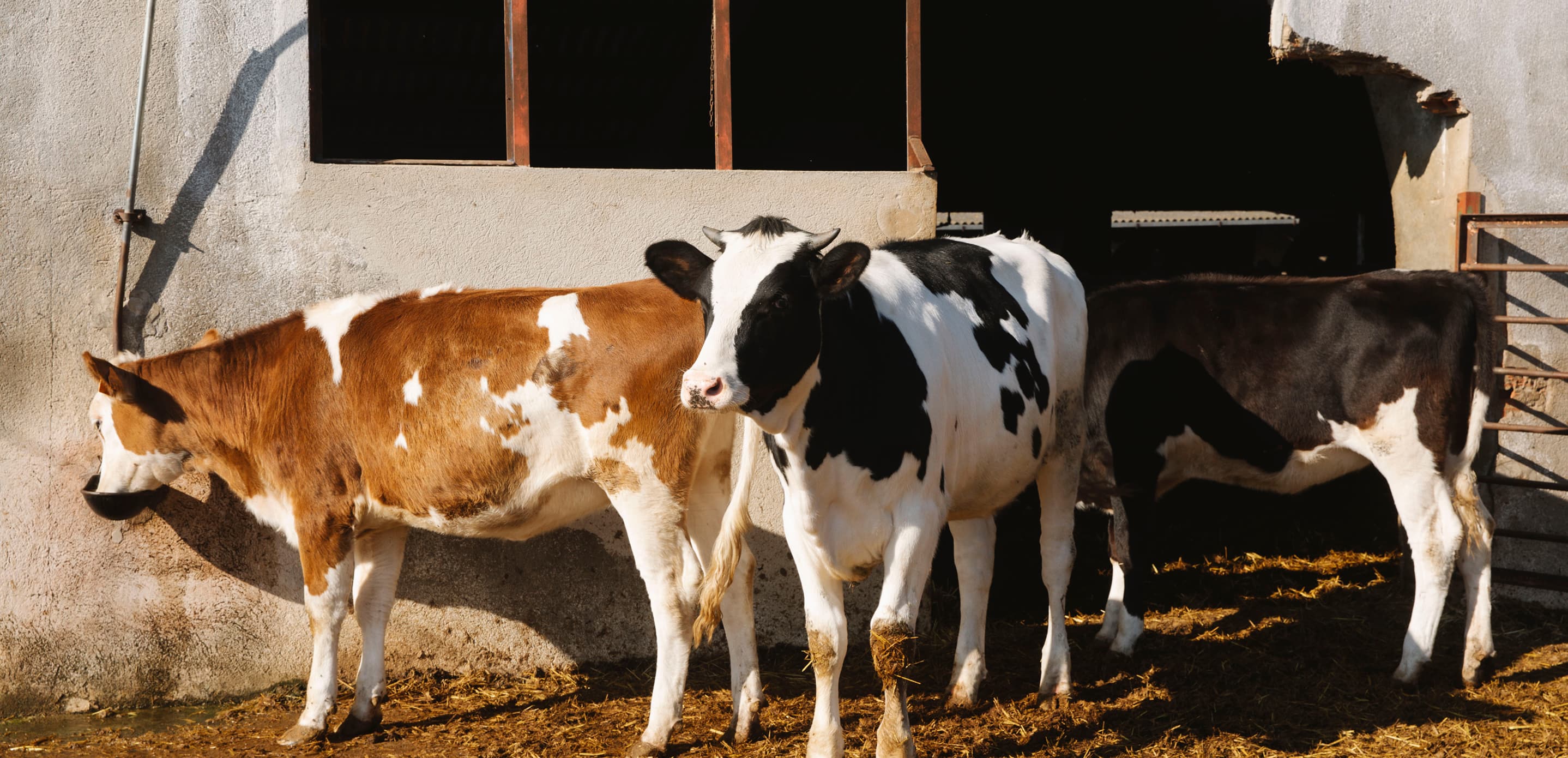
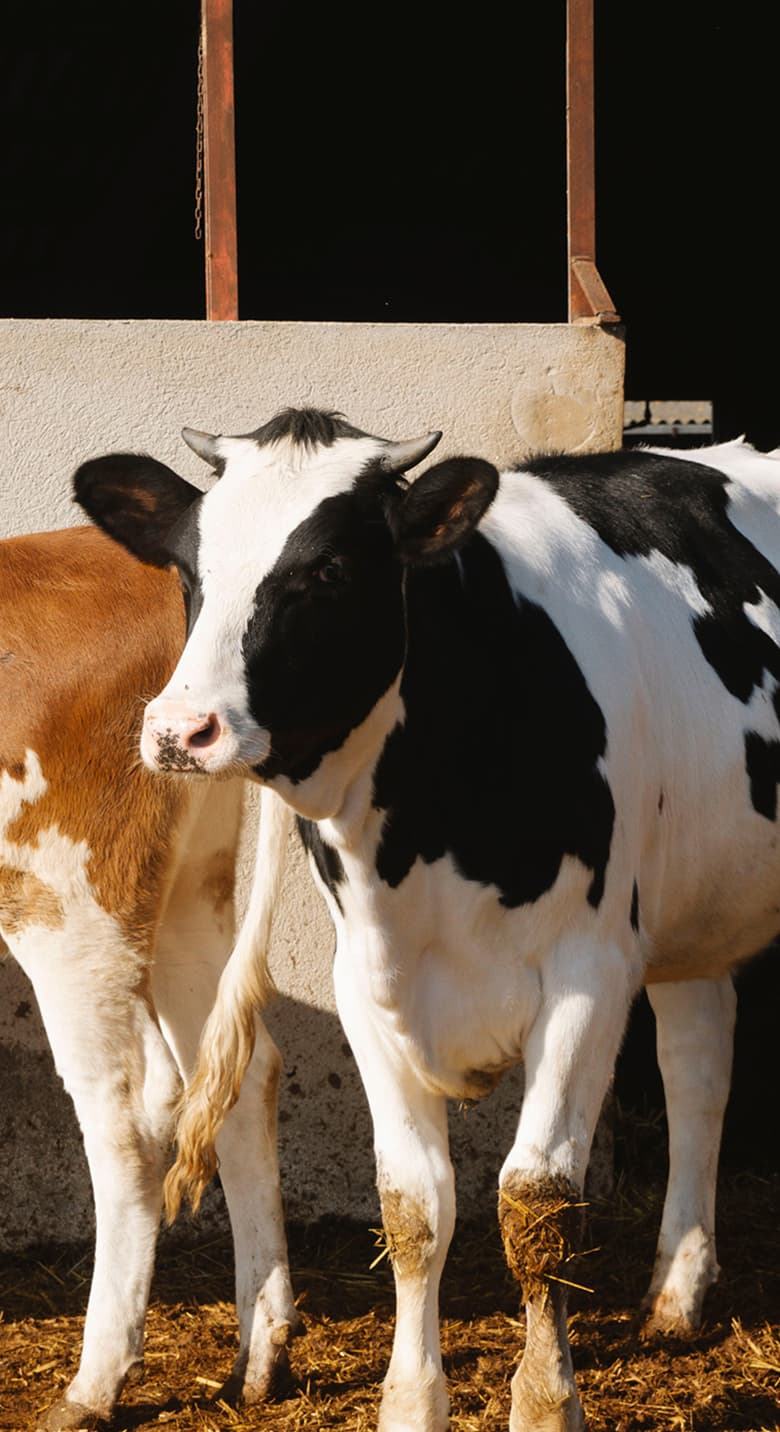
There’s nothing quite like watching Anna (the mother) and Anna (the daughter) work and care for their “girls”—as they call their cows—to understand the quality of the milk they produce. “This one’s more shy, this one’s a little more mischievous, No. 74 is a drama queen, this one’s my favorite, this one’s the bossy one, and this one’s the most grandmotherly of them all—the spoiled one.” They know them inside and out. They watch them every day and can tell right away when something changes: “If they’re doing well, the farm runs smoothly.”
Together, they run La Selvatana, an organic dairy production project that began in 2000, right in the midst of the industry’s crisis.
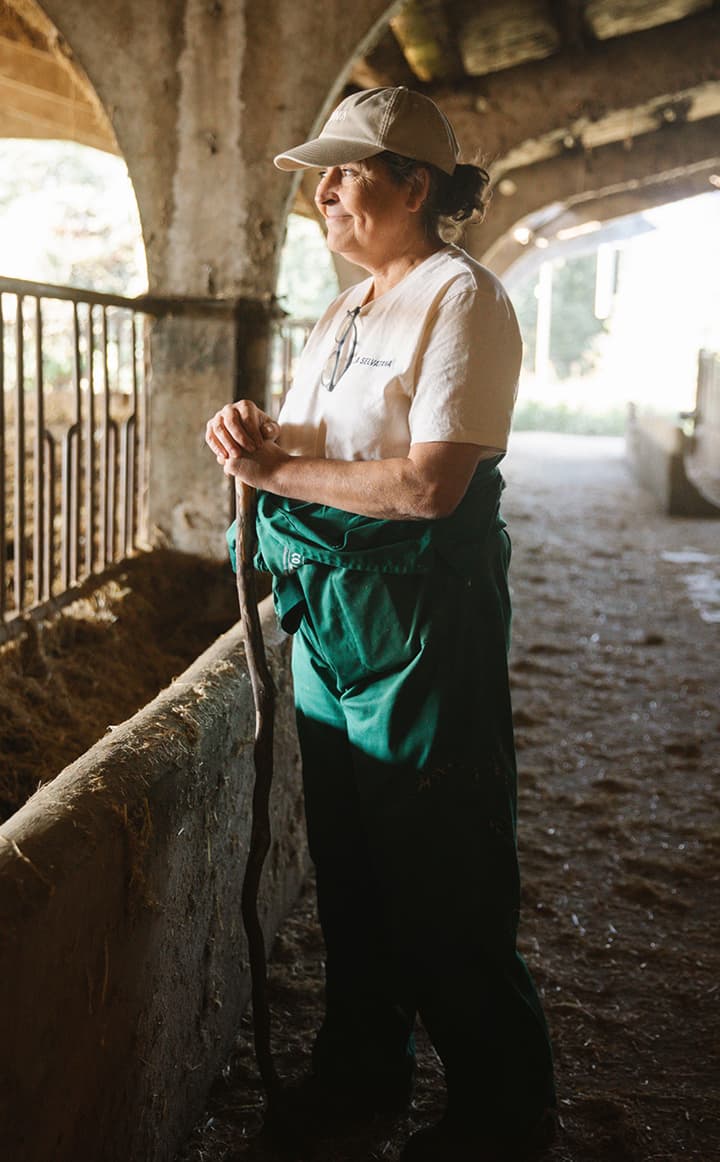
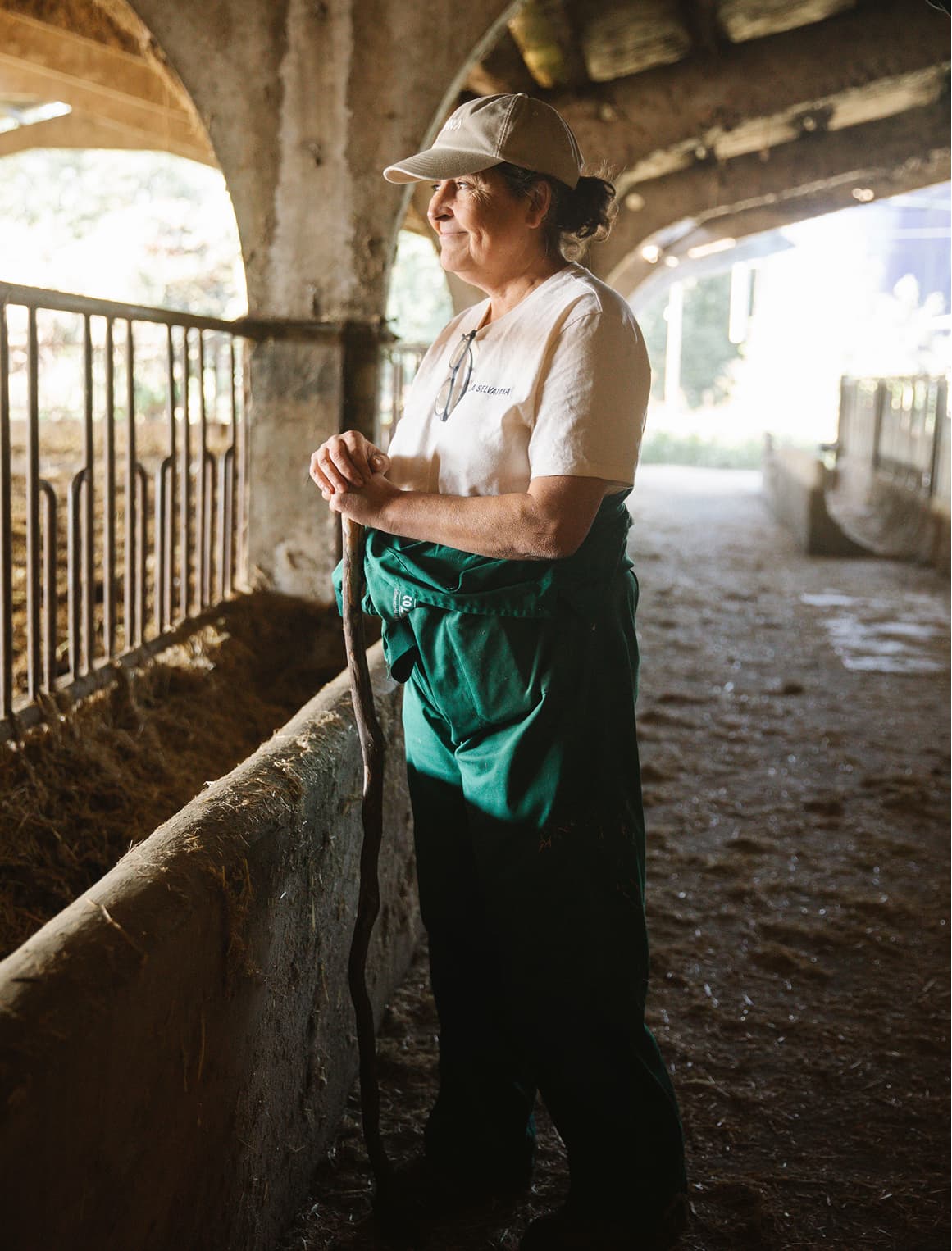
Anna is a journalist. Her grandfather owned a dairy farm, and she used to spend her summers there when she was a child. Years later, she decided to leave Barcelona and return to the family farm. She began working with him, though he couldn’t quite understand how someone who had earned two degrees could want to return to the agricultural sector. She, on the other hand, found a new opportunity to learn in that environment. Biology, geology, ethology, meteorology… An endless array of knowledge that fascinated her back then and still interests her today. Driven by this enthusiasm, they decided to transform her grandfather’s intensive farming model and commit to a production method more in line with their values: respecting the land and caring for the animals. At that time, there were only three organic dairy farms in Catalonia, and they decided to embrace that change.
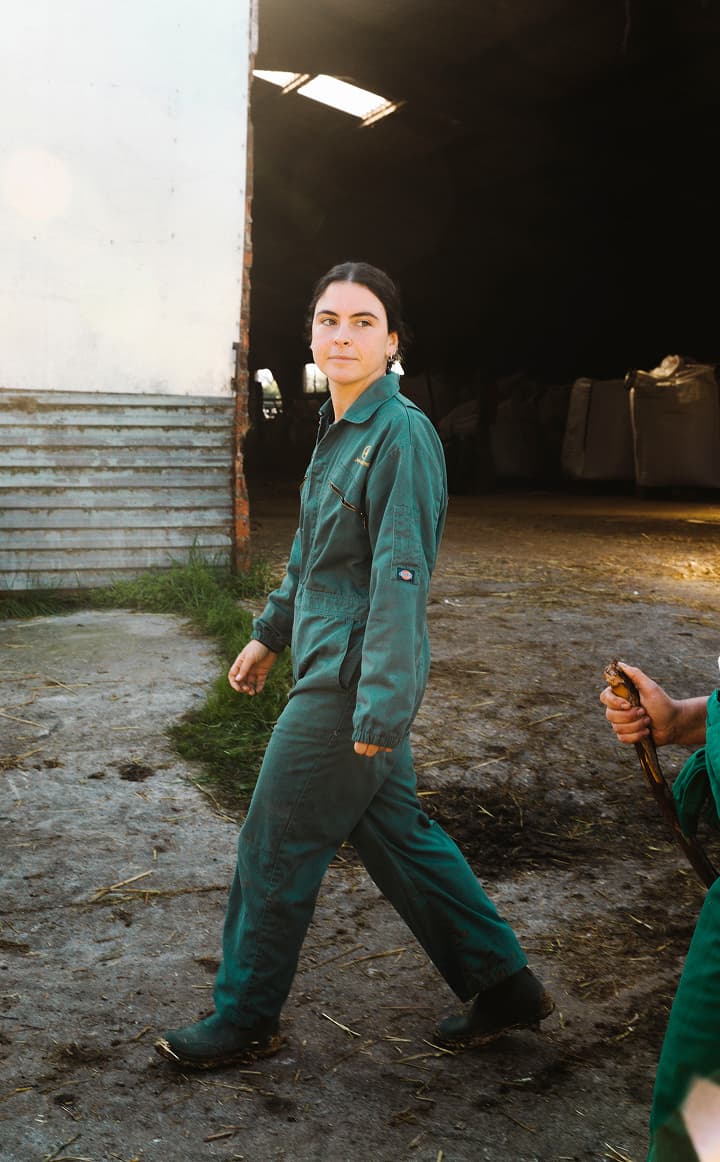
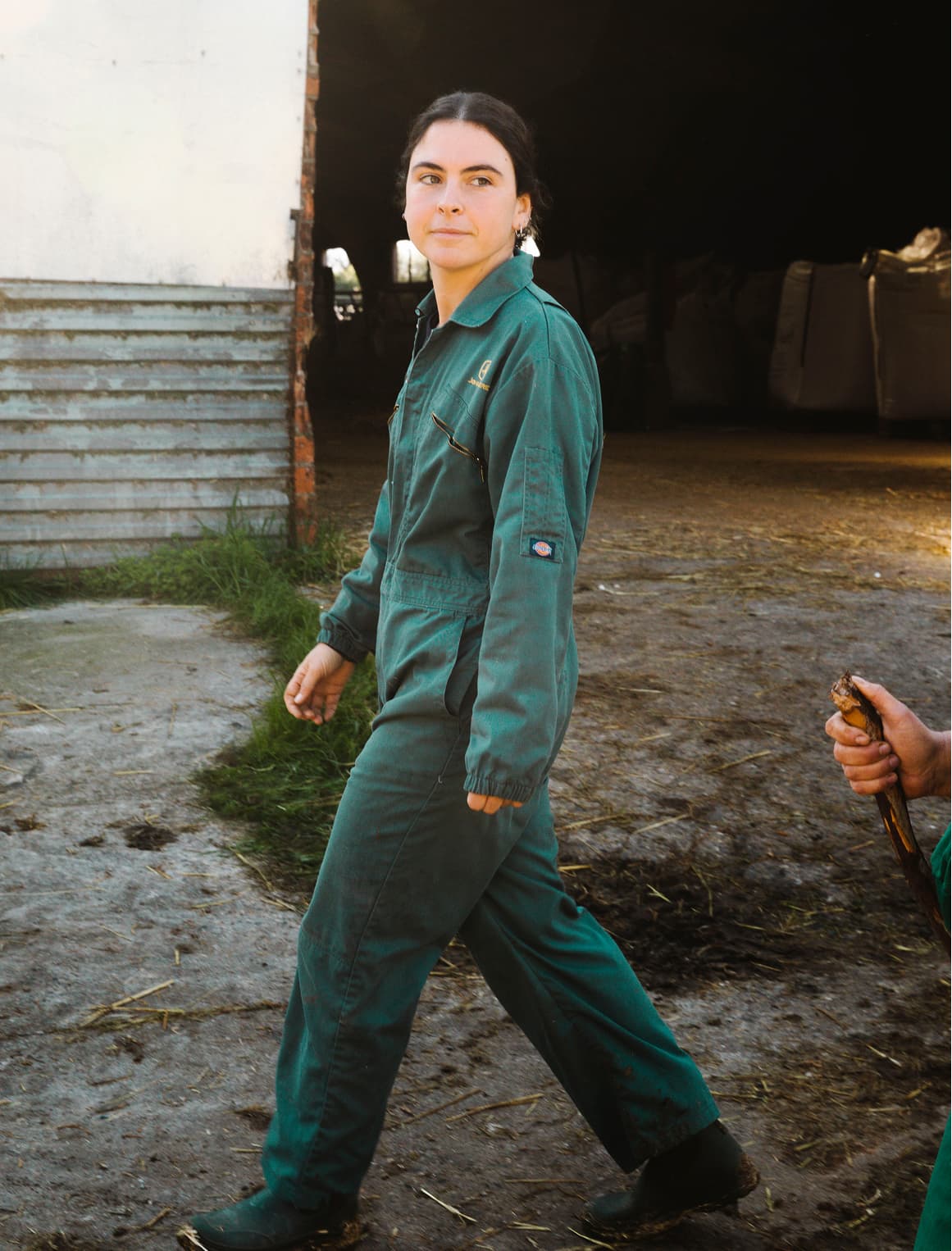
Anna, for her part, was born practically at the same time as La Selvatana. Her parents had her just as the project was getting off the ground, and ever since she was a child, the farm has been her home and her playground. She grew up drinking equal parts milk from her mother and from the cows. She studied Environmental Science, because her passion for nature and animals went way back. After graduating, she decided to work on other projects so she wouldn’t bring work home and home to work, as she’d seen her parents do. But when her workday ended, what she wanted most was to return to the farm and be with her girls. Little by little, she realized that perhaps her place—both professionally and personally—was right where she had grown up. Today, at just 26 years old, she carries on the legacy and knowledge of her great-grandfather and her mother to continue leading La Selvatana. “We need more women in rural communities because we, too, can contribute our own character, sensibilities, ways of doing things, and ways of thinking.”
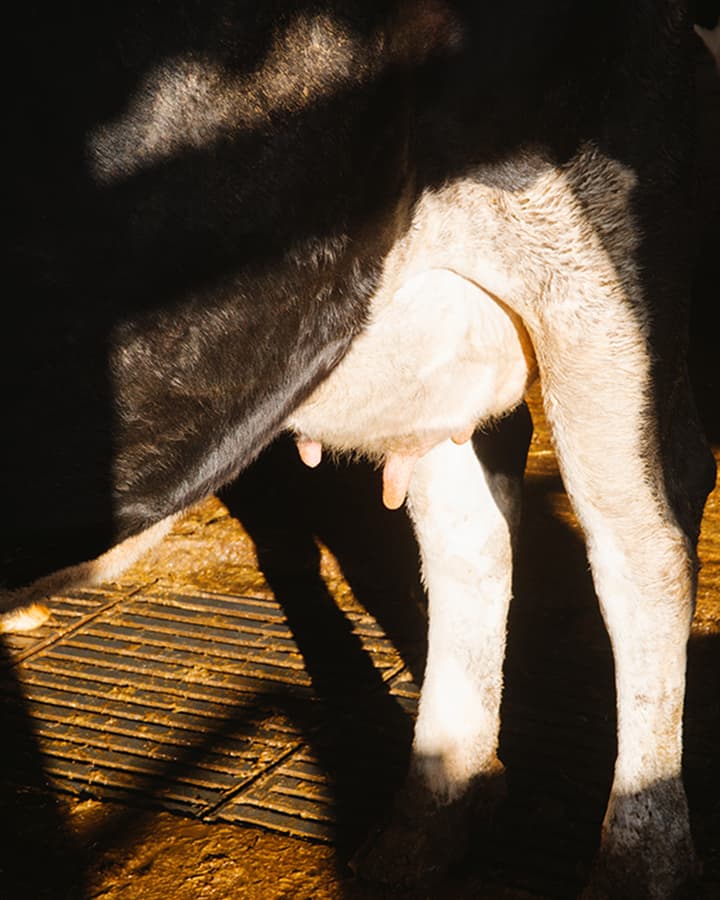
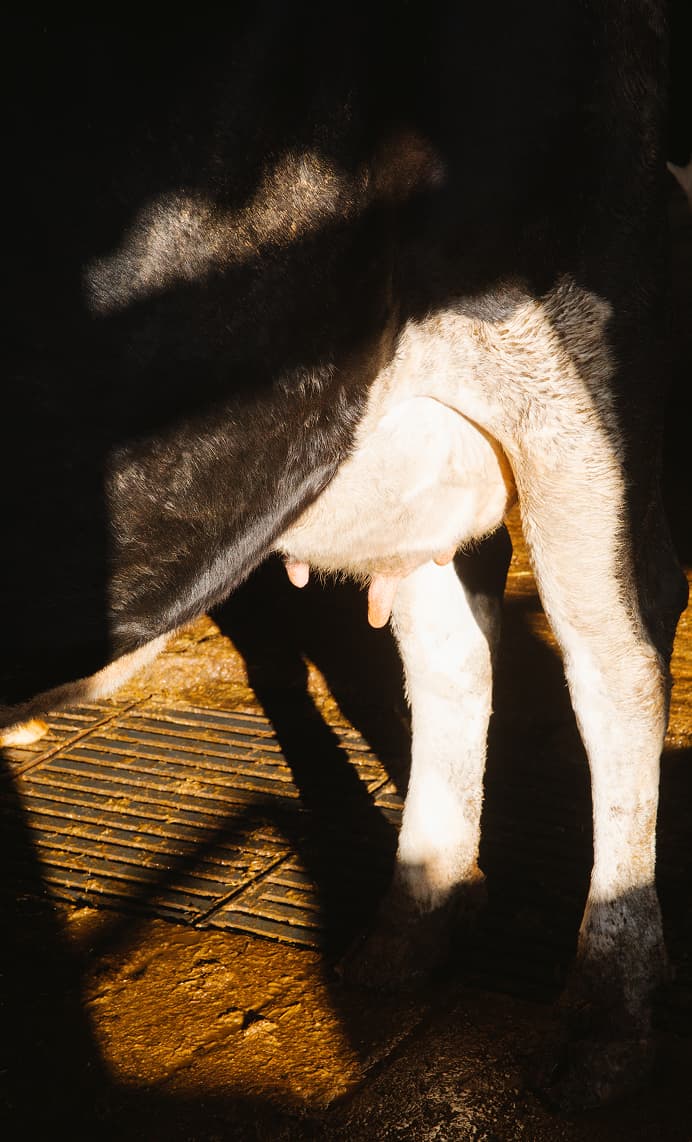
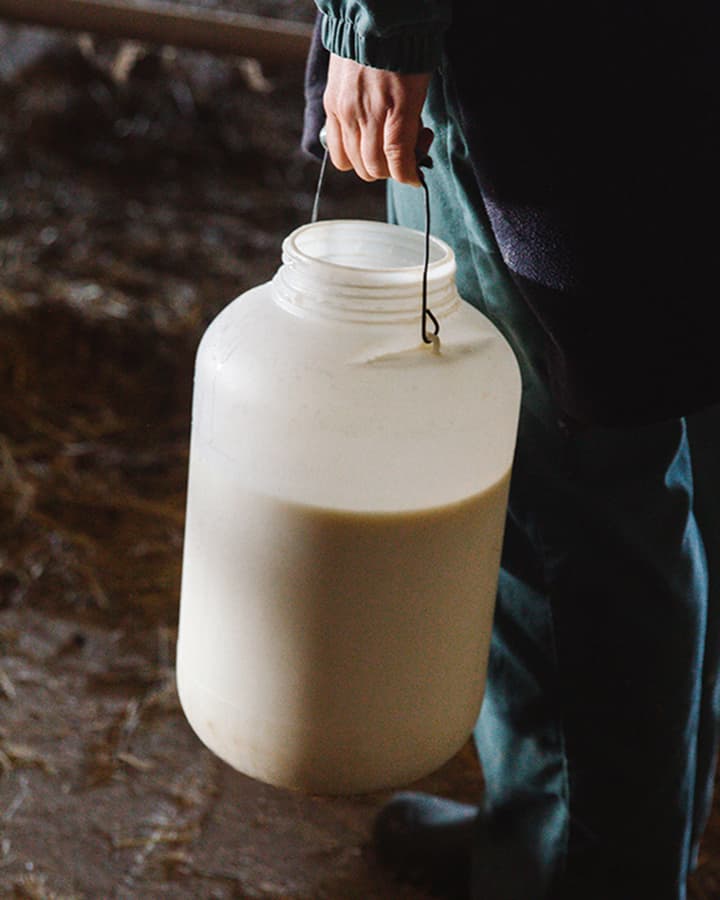
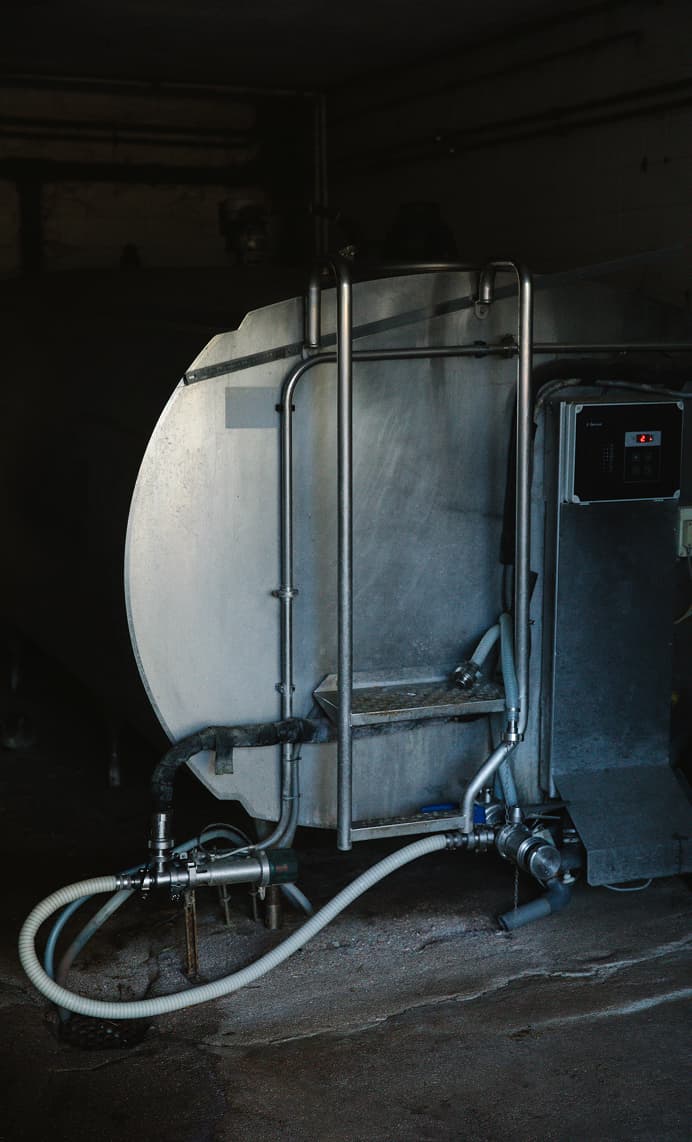
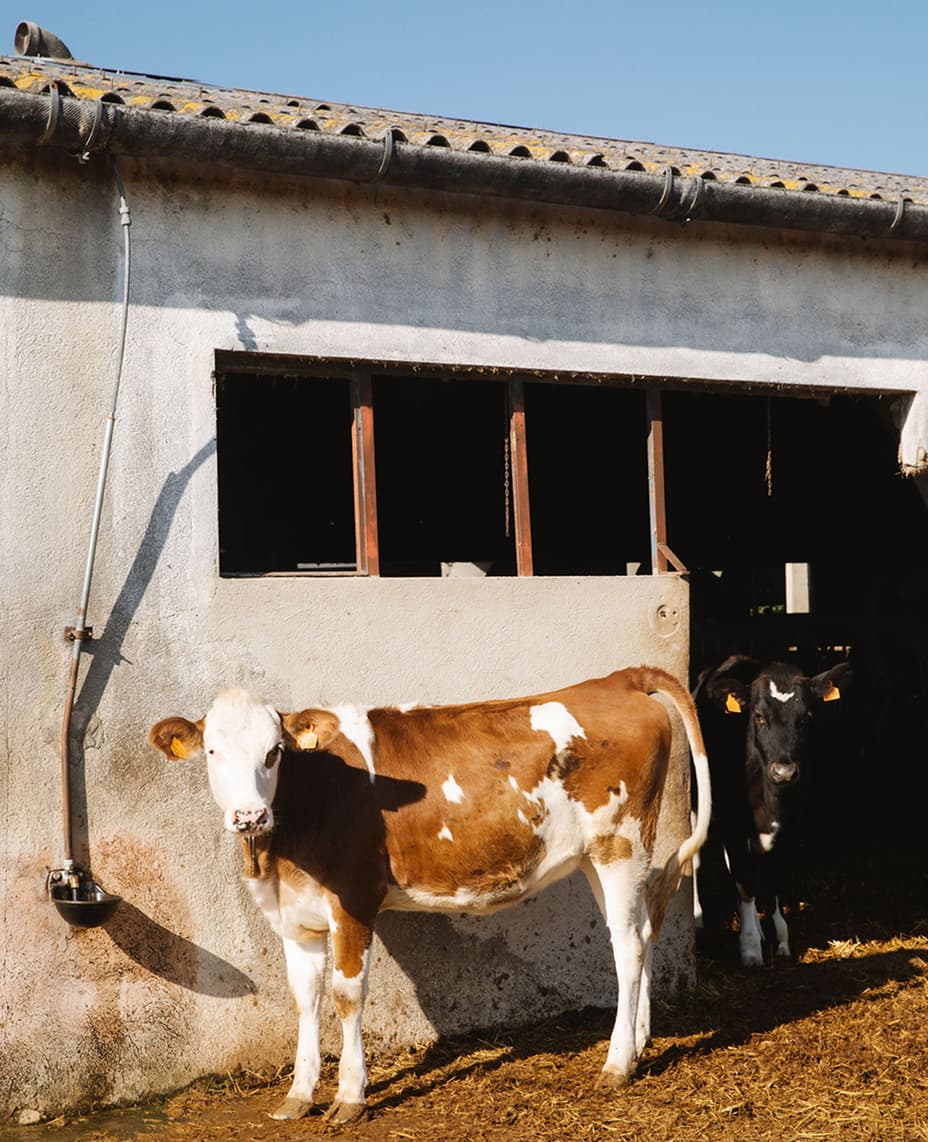
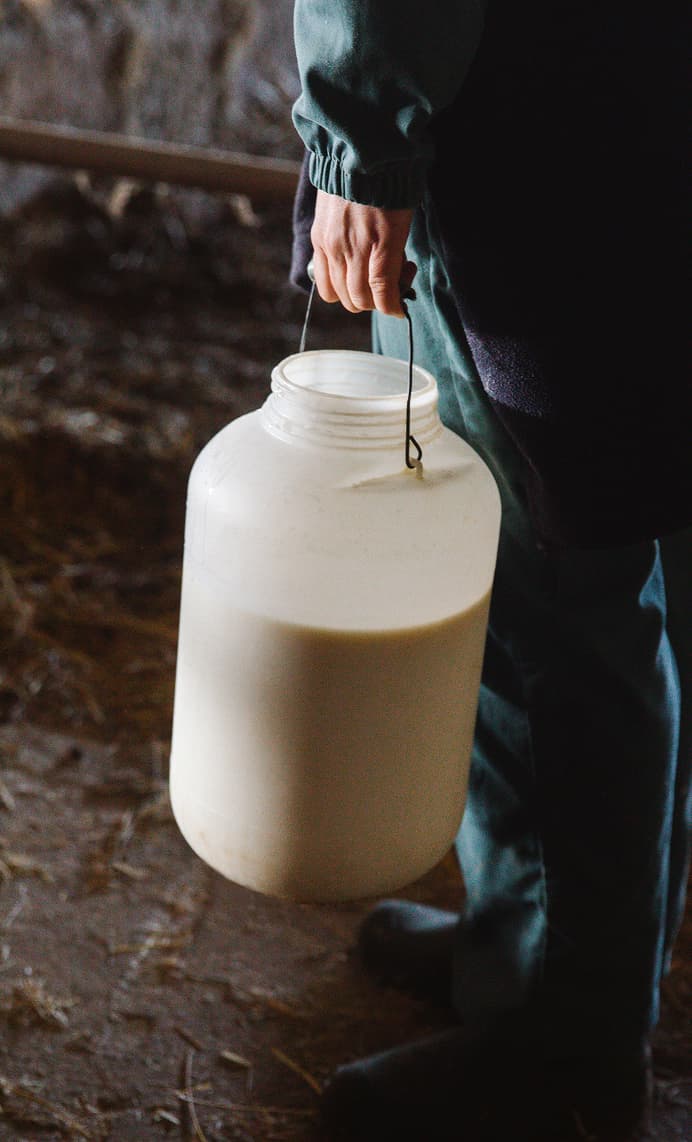
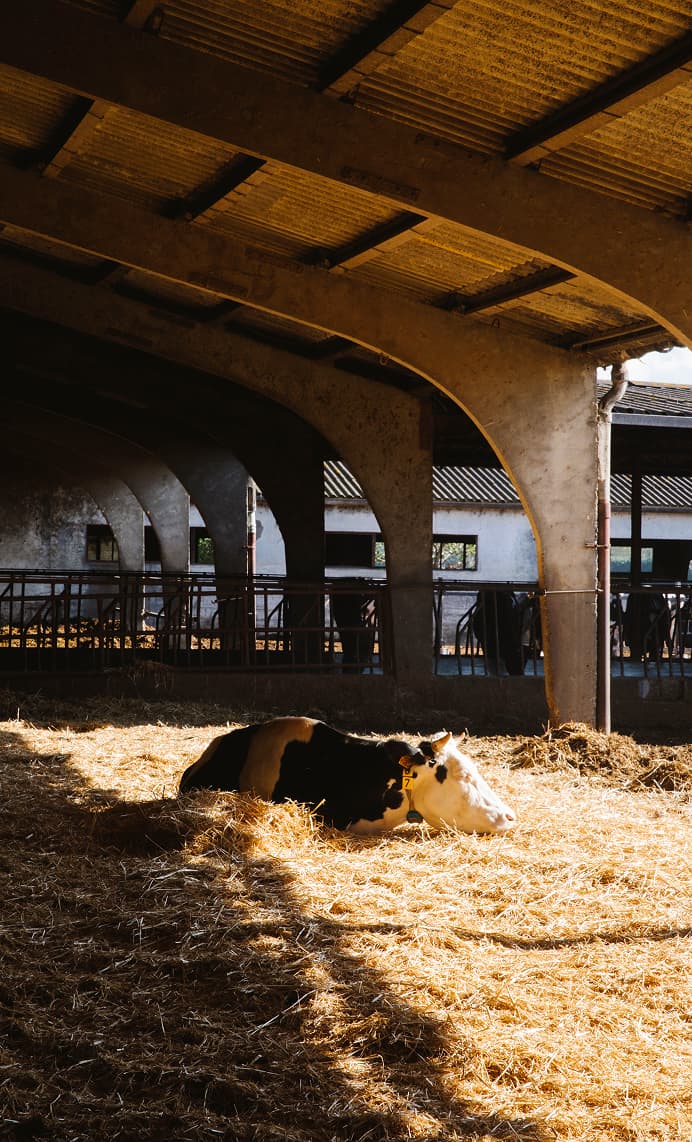
At eight in the morning, they begin feeding the hundred dairy cows they care for every day. It’s one of the most meticulous tasks, and they perform it with great care. They understand that we are what we eat and that, for their cows to be healthy and produce exquisite milk, their feed must be of the highest quality. Their feed consists of a mix of crops they grow themselves in the fields surrounding the Campllong farm. Without pesticides or chemical fertilizers, they fertilize the soil with the cows’ own manure. In this way, they make the most of the farm’s resources and manage to maintain a small-scale, well-organized operation that respects the environment.
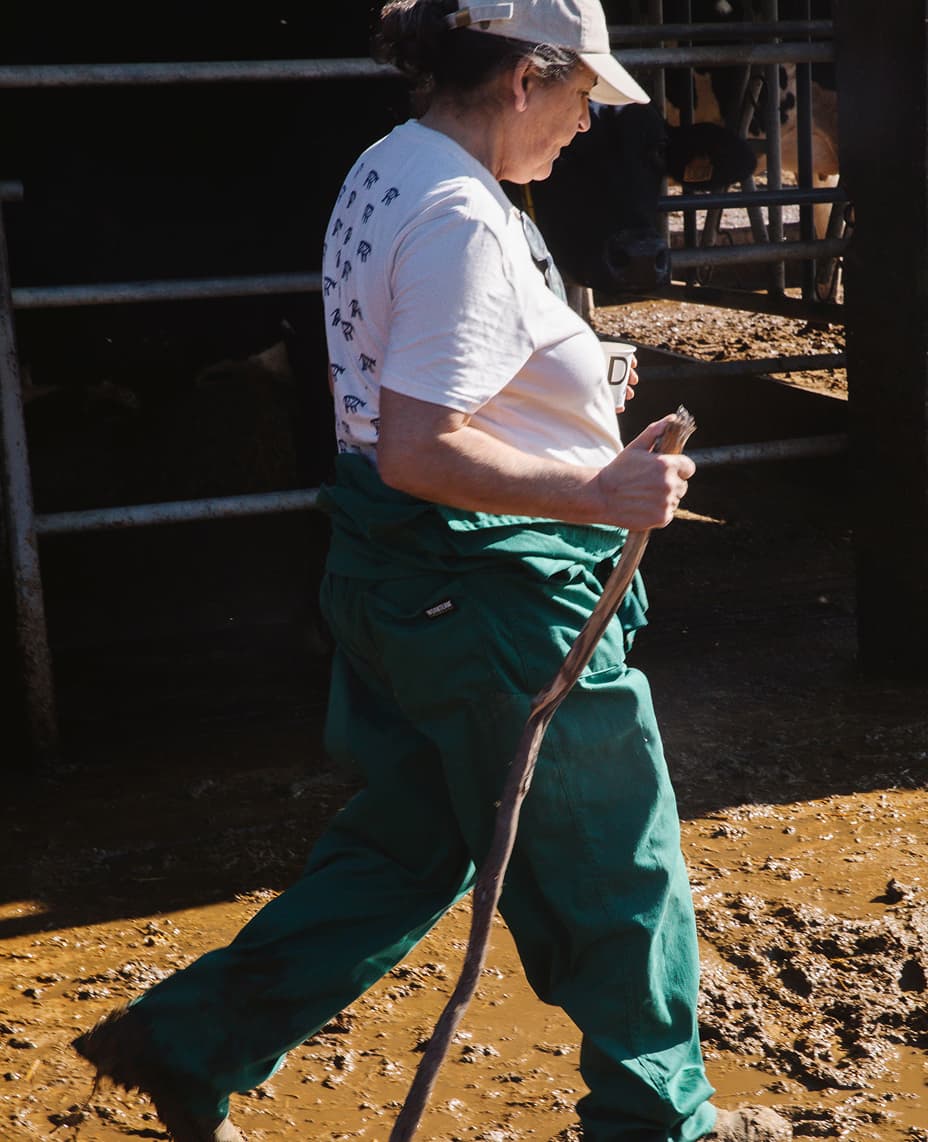
Once they’ve finished eating, at Anna’s whistle the cows begin to make their way down to the fields. She accompanies them with her walking stick and then lies down in the middle of the meadow while they graze. Anna, her daughter, watches them: “I love seeing how they interact with each other, how they express themselves. They don’t communicate by speaking. If you go to a farm and you hear the birds, the wind, or the rain, that means everything is going well.”
The early days weren’t easy. The dairy cooperatives weren’t interested in the organic milk they produced, so they decided to handle distribution themselves. At first, they wanted to reach young children, but they soon realized that schools weren’t consuming that much milk. That obstacle gave rise to an opportunity: setting up a production facility and starting to make yogurt. The children—their most demanding customers—gave them top marks, and more and more schools began placing orders. Today, Anna, the mother, proudly says, “We deliver yogurt weekly to more than fifty thousand children in the Girona area.” They also organize visits so the children can meet the animals behind the food they eat.
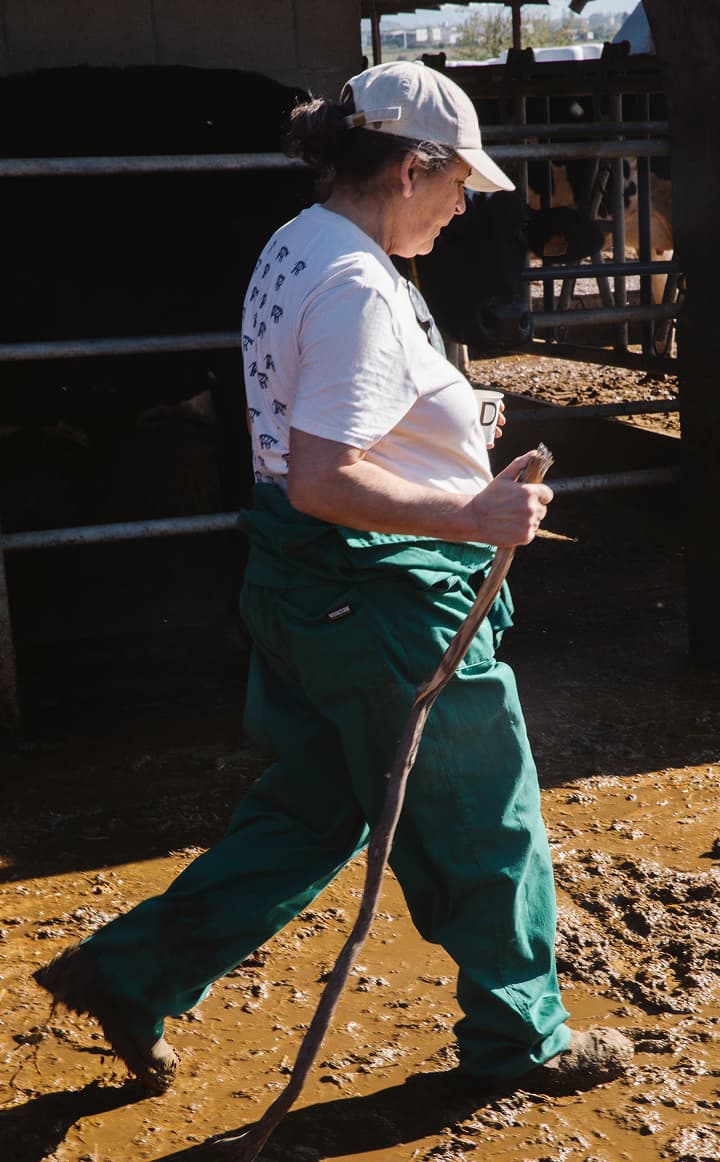
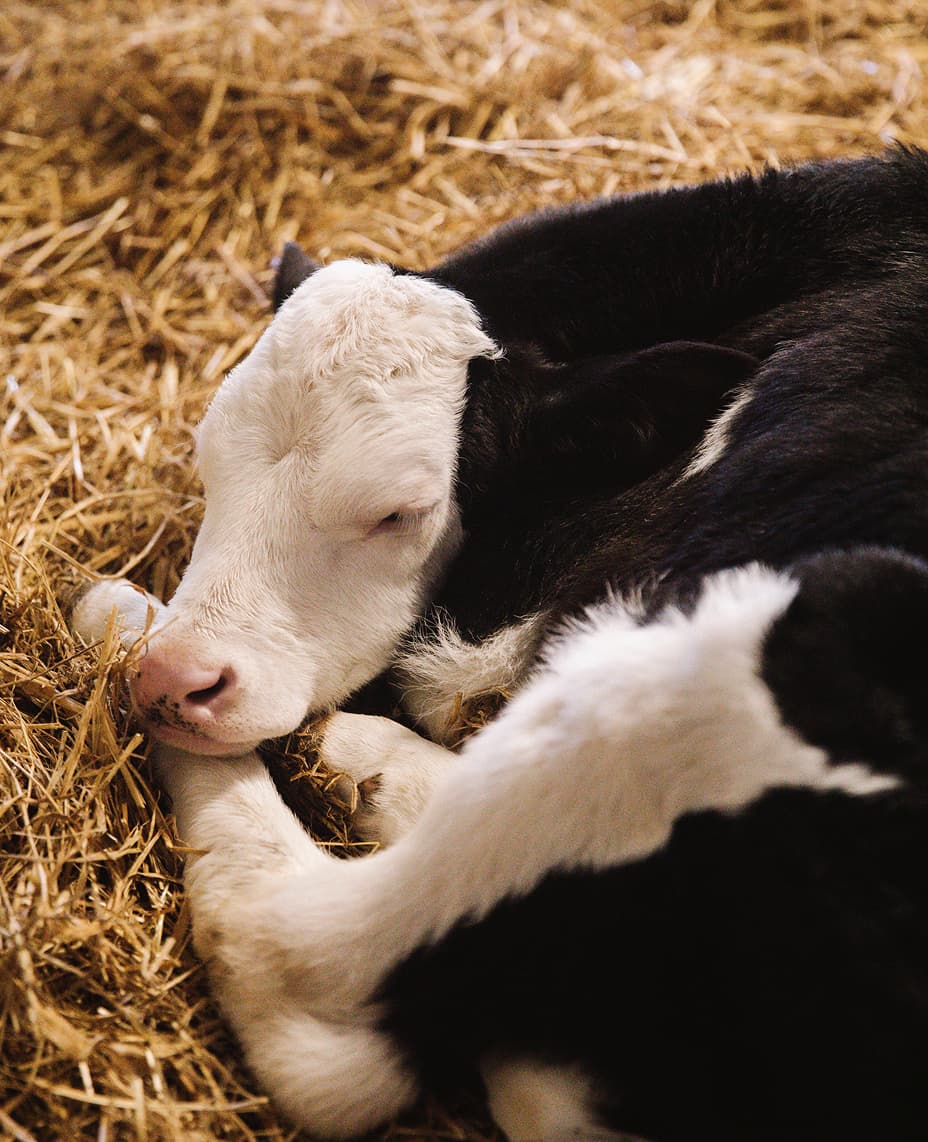
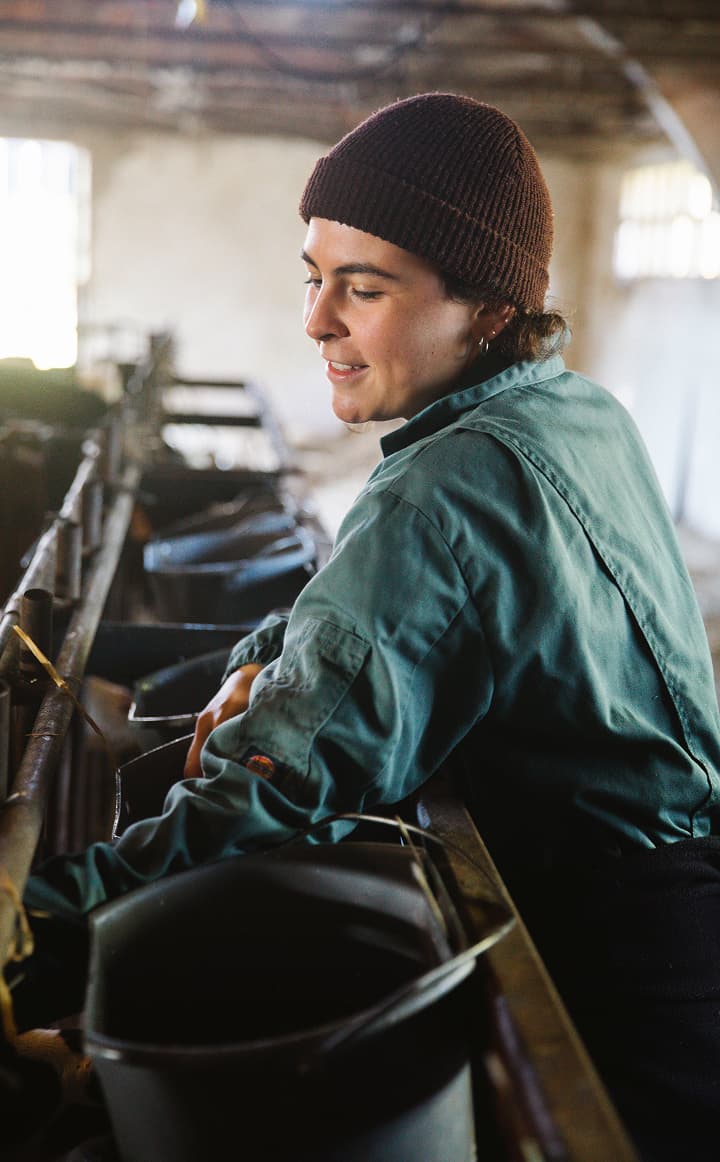
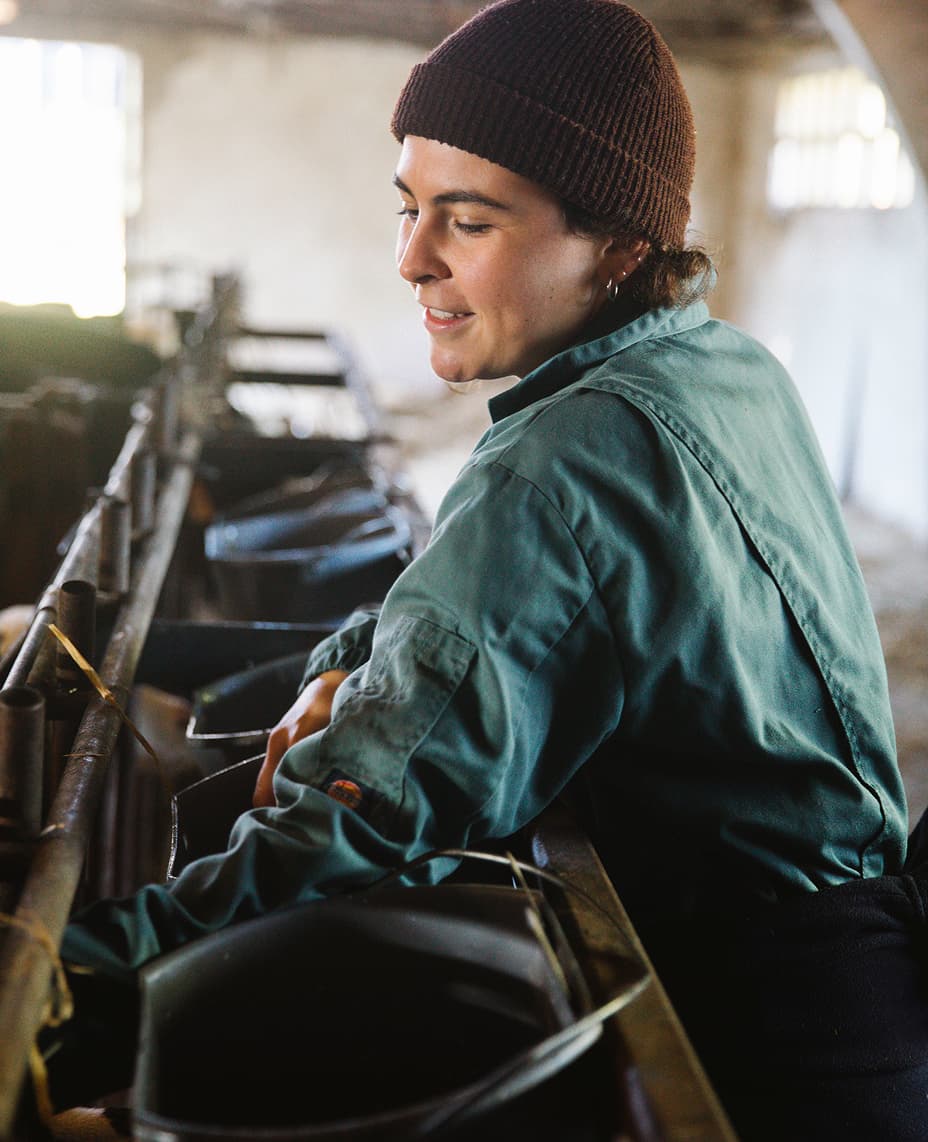
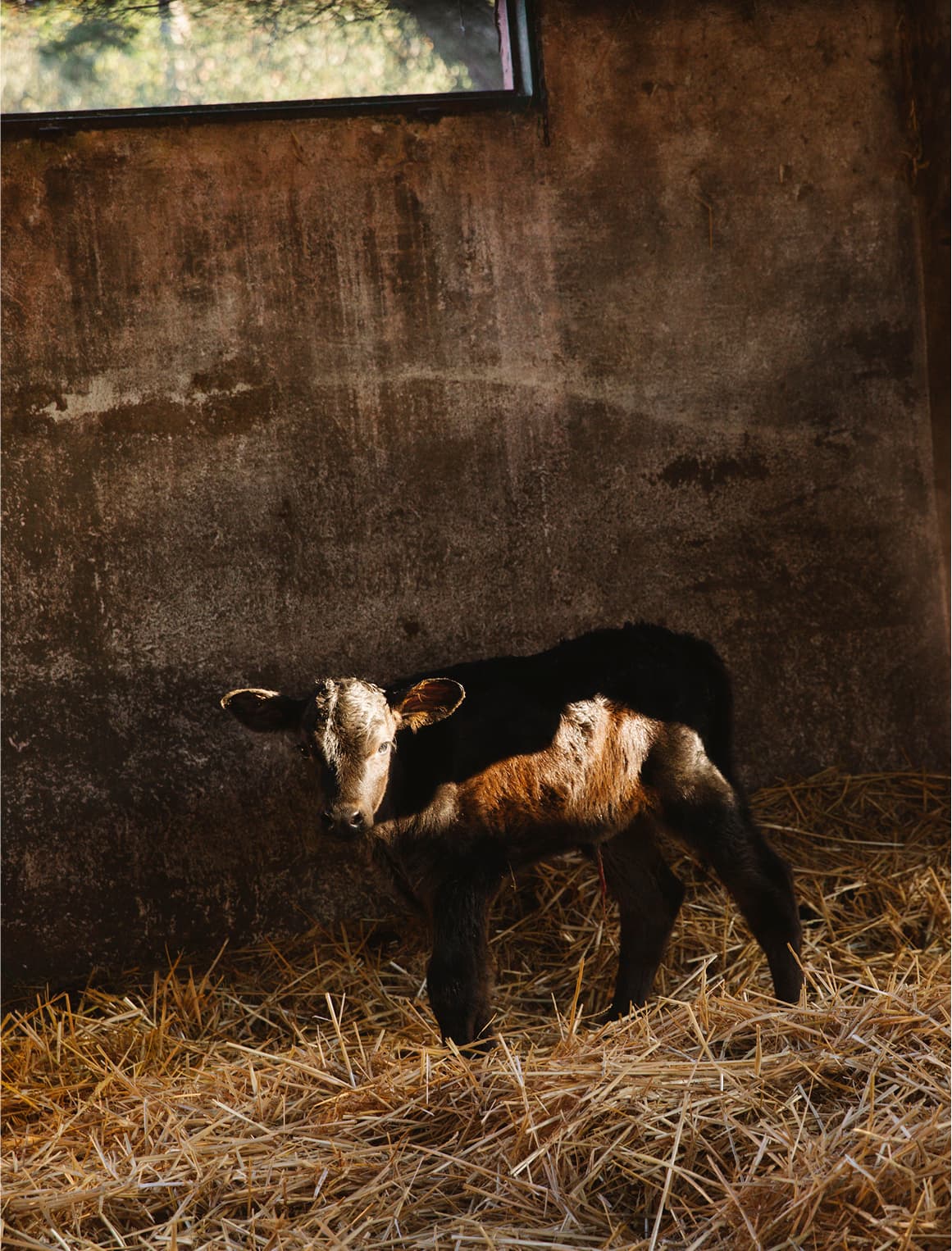
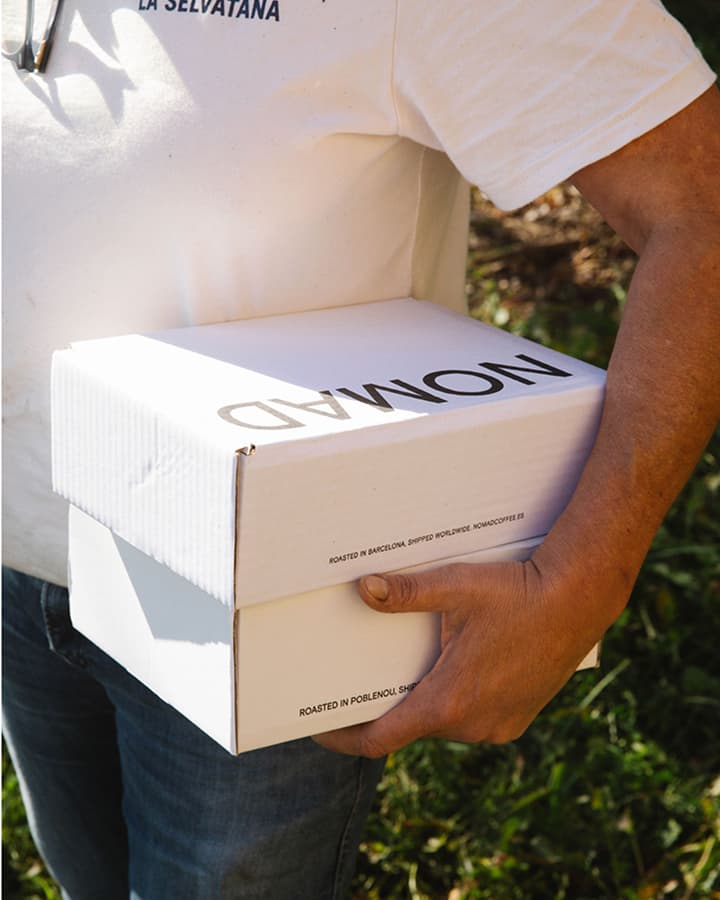
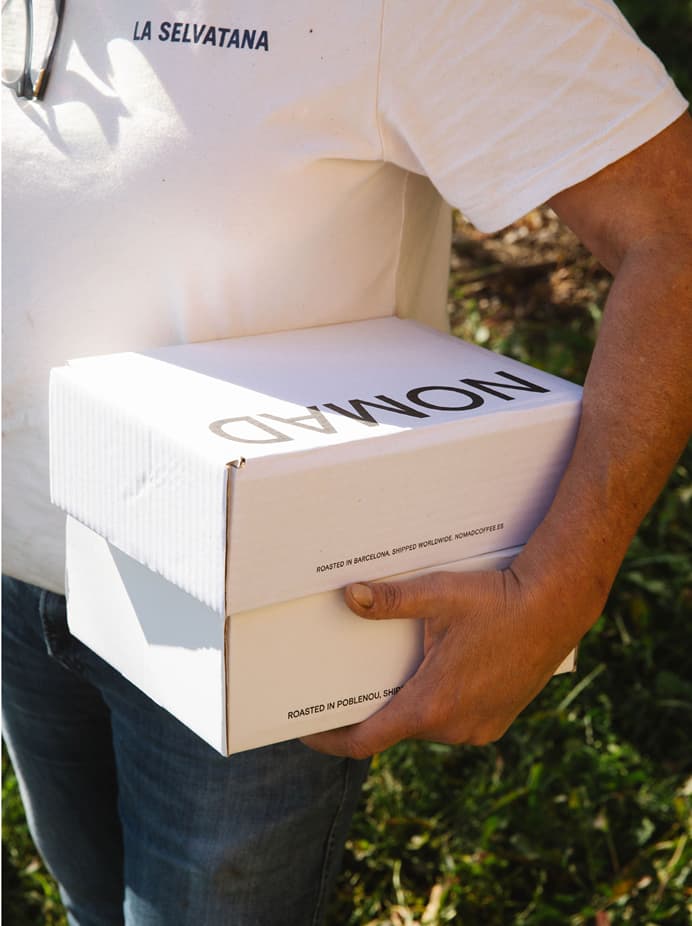
Later on, Anna’s mother began delivering milk in her small van to a few cafés in Barcelona. That’s how she came to NOMAD. Her milk is fresh, sweet, and smooth, with a good fat content that makes it especially well-suited for emulsifying and producing a thick, creamy foam.
Then came the ricotta and Gouda cheese. Today they produce these four products, all designed for daily consumption and made with the same commitment to quality. They don’t need to produce more or expand to new markets. Their goal is to continue doing things with environmental awareness and a lot of care, intervening as little as possible and maintaining a thorough understanding of the entire process—from the seeds they plant in their fields to the final product.